

Product
Six Non-Negotiables in Modern Equity Management
Discover the six capabilities every equity management platform must have: onboarding, cross-border compliance, AI-driven validation, localized reporting, and audit-ready data.

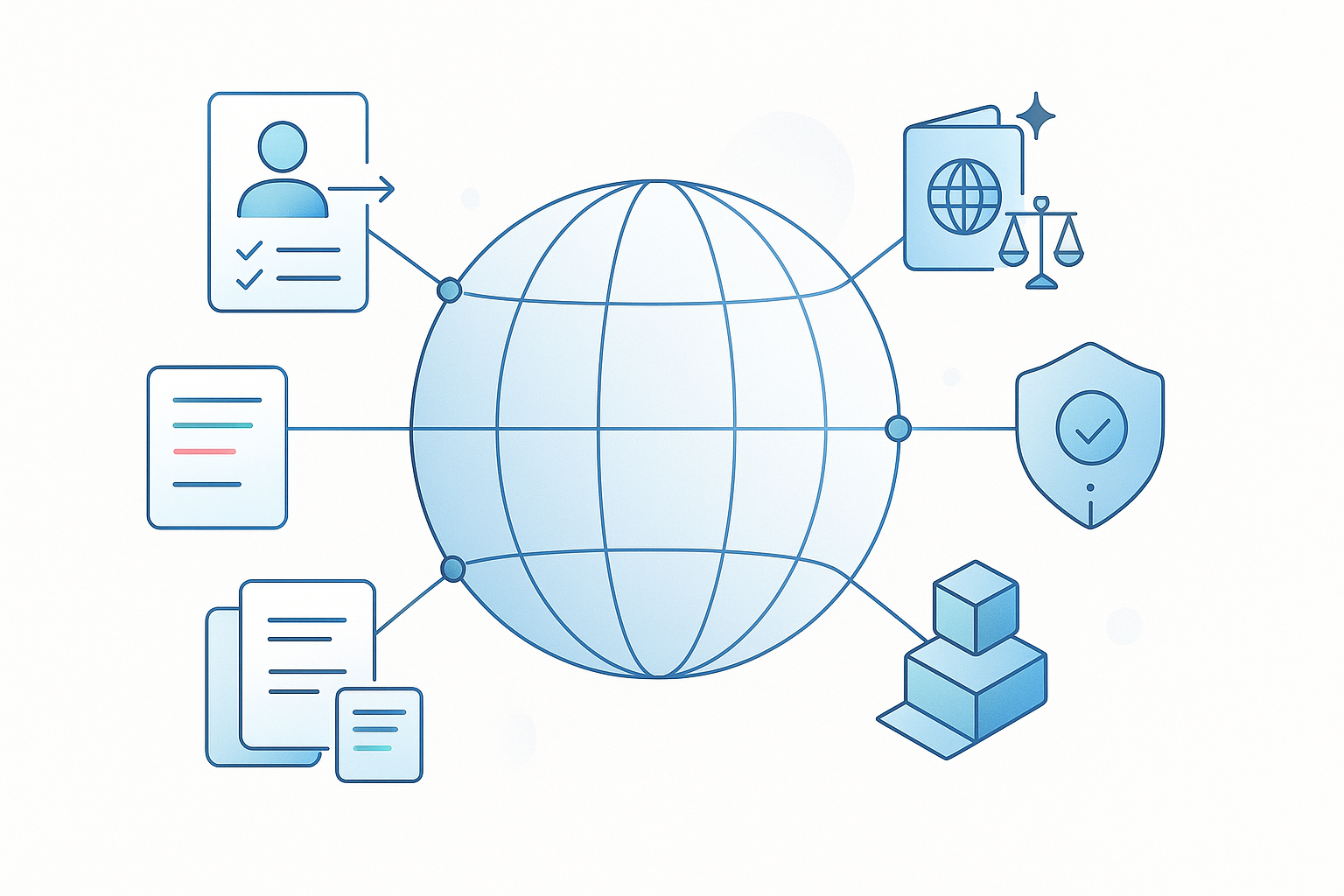
TL;DR: Why Equity Management Software Matters
Modern equity platforms go beyond cap tables. They support compliant ownership tracking, cross-border tax reporting, and audit readiness. The six capabilities below outline what a scalable, defensible system must deliver.
- Easy onboarding that minimizes risk from the start
- Cross-border compliance to handle tax and legal changes
- Evolving technology including AI and automation
- Localized reporting for country-specific requirements
- Scalability to match company growth
- Audit-ready records with full data traceability
What Is Equity Management Software?
Equity management software enables companies to issue, administer, and report ownership data with precision. More than just a cap table, it serves as the operational infrastructure for maintaining audit readiness, meeting global tax and regulatory obligations, and establishing long-term credibility with internal and external stakeholders.
The six capabilities below represent core functional requirements for any equity platform built to scale alongside modern, high-growth companies.
1. Ease of Onboarding
Accurate equity administration starts with structured implementation. Manual migrations and fragmented spreadsheets lead to errors and inconsistent records. A modern platform introduces automation, validation, and control from day one.
A reliable system should:
- Import grant and participant data automatically
- Flag missing or inconsistent entries with built-in checks
- Align finance, legal, and HR teams on configuration
- Establish a compliant, auditable foundation
Effective onboarding builds trust in ownership records and prevents downstream corrections.
2. Cross-Border Equity Compliance
Global expansion introduces new complexity to equity administration. When employees move between countries, equity grants must comply with shifting tax, labor, and securities laws. Without structured tracking, companies face compliance gaps, tax risk, and delayed audit readiness.
A modern equity platform should:
- Track employee residency and work location changes in real time
- Adapt tax withholding and reporting to meet local requirements
- Preserve jurisdictional histories for audits, M&A, and IPO readiness
Cross-border equity compliance isn’t optional. It’s a core requirement for protecting equity value and avoiding reputational or financial exposure.
3. An Equity Management Platform That Evolves
Equity management platforms must keep pace with changing regulations, expanding teams, and increasingly complex ownership structures. Static or outdated systems increase risk, reduce transparency, and hinder operational scale.
Modern platforms evolve continuously by embedding automation, AI, and regulatory intelligence at their core:
- AI-powered validations flag errors in grant terms, vesting schedules, and participant records before they become audit or compliance issues
- Scenario modeling tools let teams instantly forecast dilution and vesting outcomes, enabling faster, more confident decision-making
- Built-in regulatory updates ensure compliance workflows stay current across jurisdictions without manual intervention or patchwork fixes
Equity management platforms should be adaptive systems that grow smarter with use. Every release should strengthen accuracy, reduce administrative burden, and reinforce long-term governance and audit readiness.
4. Country-Specific Equity Reporting
As companies expand globally, equity compliance complexity compounds. Each country enforces its own reporting obligations, tax treatments, and required disclosures for grants, exercises, and share sales. What’s fully compliant in one jurisdiction may trigger tax exposure or reporting failures in another.
Manual spreadsheet edits to localize reports across jurisdictions introduce risk and consume valuable time. A modern equity platform solves for this by:
- Providing built-in templates for statutory reports, including formats required for ESS in Australia, Form 3921 in the U.S., and equivalents in the UK, Canada, and beyond
- Automating jurisdiction-specific reporting outputs and withholding calculations
- Eliminating the need for manual formatting or local spreadsheet workarounds, reducing dependence on regional tax advisors
The objective isn’t to make your team experts in every tax regime around the globe, but your equity management platform should. When localization is built into the system, global equity compliance becomes scalable, efficient, and defensible.
5. Scalability: Infrastructure That Grows with You
As companies scale, equity structures become more complex. What starts as a simple cap table often evolves into a multi-entity, multi-currency framework with layered financing instruments and thousands of stakeholders. Without scalable infrastructure, legacy tools become bottlenecks that slow operations, increase risk, and require costly system changes.
A scalable equity management platform supports this growth by:
- Managing multiple share classes, entities, currencies, and financing rounds
- Accommodating instruments like SAFEs, convertible notes, RSAs, RSUs, and tender offers
- Preserving speed, accuracy, and audit-readiness even as stakeholder count grows
Scalability is architectural. The right platform enables complexity without compromise, ensuring continuity as your ownership structure matures.
6. Data Integrity & Audit Trails
Accurate ownership data depends on traceability. Without a clear record of what changed, when, and why, equity becomes difficult to verify and especially so, during audits, M&A, or investor reviews.
Modern equity platforms embed data integrity by design:
- Maintain immutable logs of all equity events, including timestamps, approvers, and change history
- Link supporting documents directly to grants, modifications, and transactions
- Preserve complete version histories that are accessible and audit-ready at any time
Audit trails are foundational to proper cap table and equity management. Systems that provide built-in transparency reduce the risk of errors, support governance, and build confidence with stakeholders.
FAQ: Modern Equity Management Platforms
What is equity management software?
Equity management software enables companies to issue, track, and report ownership data accurately. More than just a cap table tool, it forms the infrastructure for audit readiness, tax compliance, and long-term stakeholder trust.
Why does onboarding matter for equity management software?
Onboarding is the foundation of cap table integrity. A structured onboarding process minimizes data errors, aligns finance, legal, and HR teams, and sets the stage for compliant, auditable equity administration from day one.
How does cross-border compliance impact equity management?
When employees relocate internationally, their equity becomes subject to new tax and regulatory requirements. A capable platform detects these changes, adjusts workflows, and preserves jurisdictional history protecting the company from compliance gaps and audit exposure.
How does AI enhance equity administration?
Modern platforms use AI to automate validations, flag anomalies in grant terms or vesting schedules, and enable instant scenario modeling. This reduces manual effort while improving data accuracy and decision-making speed across teams.
Can equity management software support complex structures as companies scale?
Yes, scalable platforms support complex ownership structures, including multiple entities, share classes, and non-standard instruments like SAFEs and convertible notes. They maintain speed and reliability even as the stakeholder count and data complexity increase.
Why does auditability matter in equity management platforms?
Auditability ensures ownership records are transparent, traceable, and defensible. Equity management platforms should log every grant, change, and transaction with timestamps, documents, and approvers. This creates verifiable records that support board reviews, audits, and M&A due diligence.
Jason is a certified equity professional with deep experience in equity management and platform-driven equity operations. At Carta, he helped hundreds of startups and late-stage companies structure and manage complex cap tables. As Director of Content at the NASPP, he shaped industry education on plan design, equity platforms, and operational best practices for both public and private companies.

.jpg)
News
Equity Just Became Part of the People Platform: Slice + HiBob
Slice and HiBob have partnered to connect workforce data with global equity management, automatically syncing people changes into compliant equity workflows.


UK
UK ERS Filing: What Every Company With a UK Share Scheme Needs to Know Before 6 July, 2026
Learn what counts as a reportable ERS event, why nil returns are still required, and the risks of missing HMRC’s annual filing deadline for CSOP, EMI, and other UK share schemes.

News
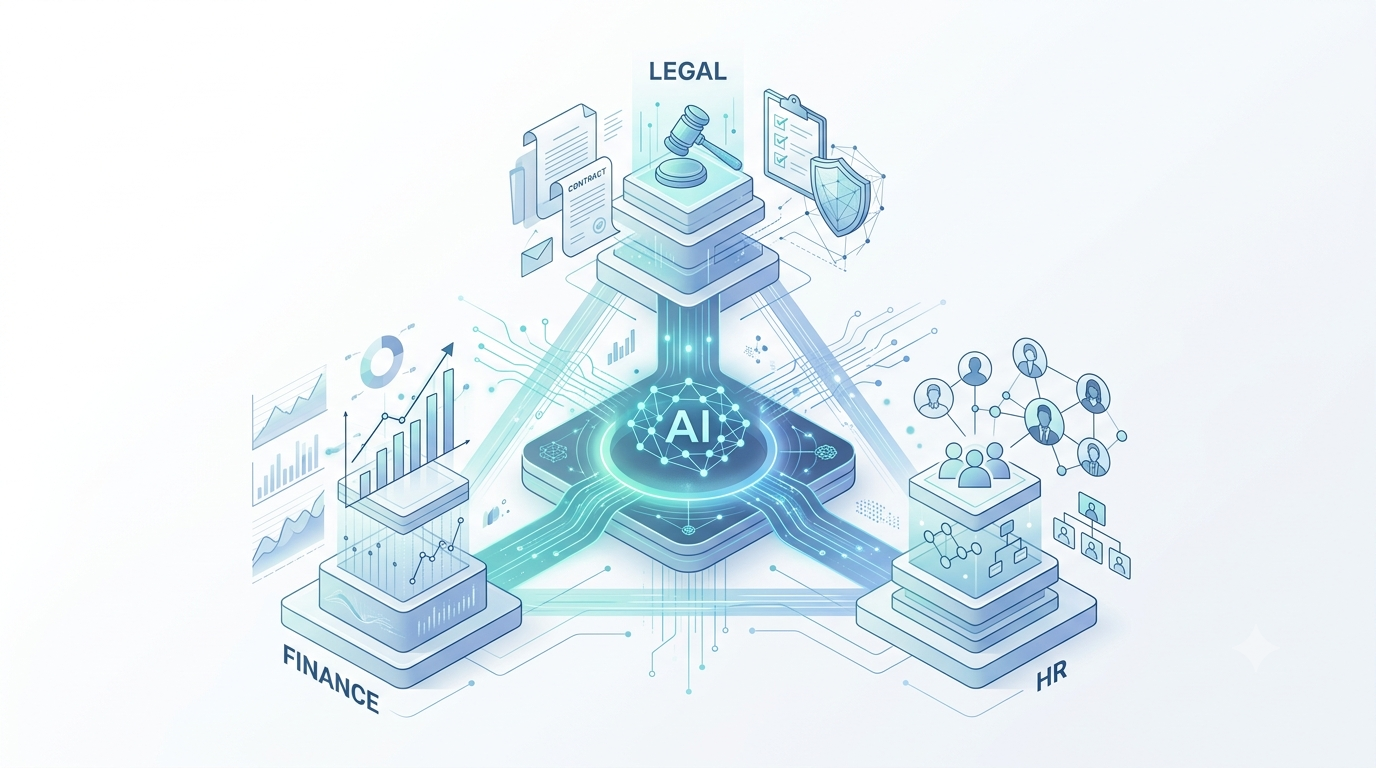
Finance, HR & Legal: The Golden Triangle of Equity Management - And Why Only AI-Native Platforms Can Finally Close It
Finance, HR, and Legal all own part of equity management. Learn how AI-native platforms connect these teams to automate workflows, reduce compliance risk, and eliminate manual coordination.
.svg)
